



Welcome to Kallis Orthodontics
With a legacy spanning back to 1991, Kallis Orthodontics takes pride in offering patient-centered care that puts individuals and their families at the heart of everything we do. Dr. Douglas Kallis and our team believe in the power of personalized attention, tailoring our services to meet the unique needs and goals of each patient.
Active listening and empathy are the cornerstones of our approach, ensuring that every patient feels heard and understood. Our commitment to honesty and professionalism fosters an environment of trust and reliability, making us the go-to choice for orthodontic care in the Griffin community.
Dr. Kallis takes a patient-centric focus, providing customized treatment plans for each patient with innovative treatment approaches including:
- Traditional and clear braces
- Early orthodontic treatment
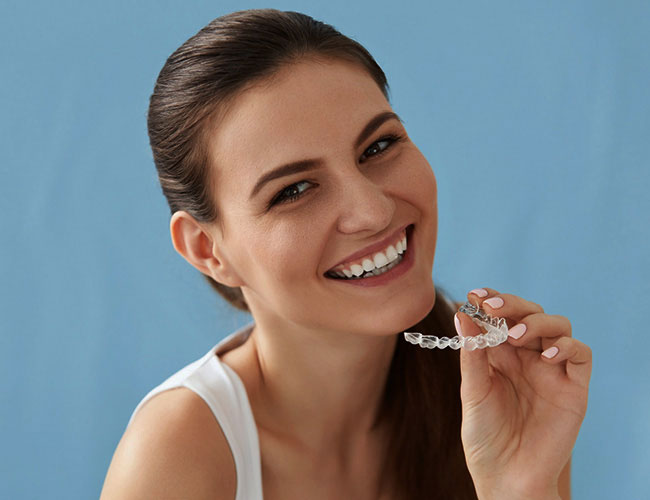
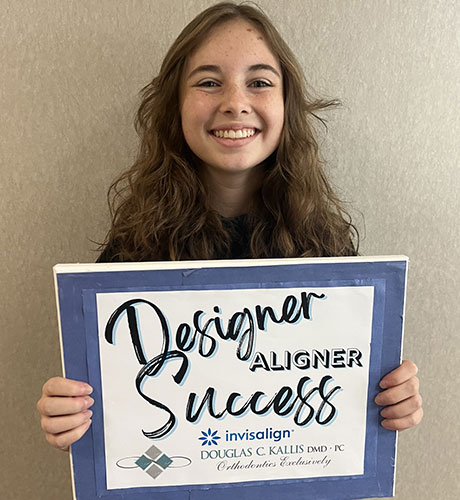
- Invisalign® clear aligners
- Damon™ Smile self-ligating braces
Please contact our Griffin, GA orthodontic office to learn more and schedule a complimentary consultation with Dr. Kallis. Start on the path to a lifetime of beautiful smiles today!